Walking with history: reflections on a reparations walking tour
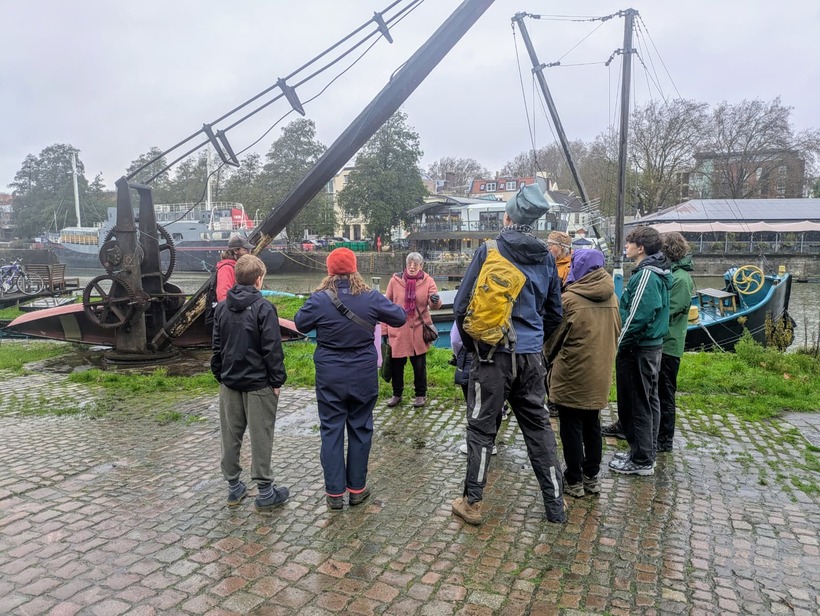
On Saturday 20 November, despite the relentless drizzle, fourteen of us, seven adults and seven young people, set out together on a guided reparations walk through Bristol.
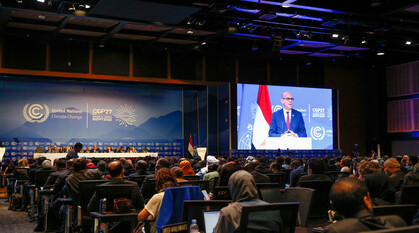
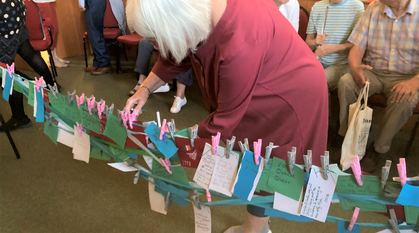
The idea for the walk grew from a simple realisation: the recent full-day conference on reparations, while deeply valuable, wasn't well suited to families or younger people. The learning felt too important to remain in adult-only spaces. We wanted a format that would be more accessible for families to take part in, so they can be included in all of this amazing work. A walk out in the city of Bristol, which is shaped by this history, felt like the right approach.
The walk was designed and led by Julia Bush of Redland Meeting, whose careful and compelling research into Quaker involvement in transatlantic slavery was wonderful to behold. It was a privilege to collaborate with her in creating this event.
We began outside St Mary Redcliffe Church, where we were introduced to the memorial and grave of William Penn, who was an admiral and father of the Quaker William Penn. His conquest of Jamaica marked the start of Britain's large-scale involvement in the enslavement of Africans. Seeing his memorialisation in such a public, celebrated space grounded the history firmly in the present. Just beside the church, we visited the Quaker burial ground, where stones now lie stacked together. It was heartening to hear that plans are underway to transform this quiet site into a sanctuary garden - a gesture of repair and renewal.
From there, we wandered through the docks towards the M-Shed (a local museum), learning as we walked. The conversations unfolded gently but powerfully. One moment that resonated deeply was learning how some slave-owning Quakers attempted to justify their actions in the context of their faith. This sparked thoughtful questions among the group, especially the young people: What are our own blind spots? What might future generations judge us for? That openness, the willingness to sit with discomfort, to challenge and be challenged, felt like an essential part of the journey.
From sorrow to strength
At M-Shed, the tone shifted from sorrow to strength. Together we reflected on resistance, resilience, and the agency of enslaved Africans and their descendants. We explored how communities are reclaiming their history and reshaping narratives, creating vital work that drives anti-racist action today. It felt energising rather than heavy.
We ended at Bristol Cathedral, noting how many of the celebrated figures etched into the stone of the building were themselves implicated in such a barbaric moment in time. This history is alive and all around us in the fabric of Bristol's buildings and it felt important to acknowledge this. It is important to stress none of this was framed as hopeless or depressing - we were thoughtful and engaged throughout. It was uplifting to look at this difficult history as a new generation of Quakers and to show that we are not shying away from the truth, even as difficult as it is.
Ice cream and tea
Of course, no meaningful pilgrimage is complete without shared food. We finished with ice cream and tea at a nearby café, where conversations continued warmly and connections strengthened among all of us. I was blown away by everyone's thoughtful, curious and open-hearted approach to the day. This work isn't easy, but it is uplifting to learn, discuss, and imagine how we can change together.
My heartfelt thanks to everyone who joined, and especially to Julia, who put so much into making it possible.