Lest we forget: choosing peace this Remembrance Day
Dixe Wills reflects on the messages of Remembrance, and how we can turn 'never again' into action for peace.
Of late, when I've found myself in Quaker gatherings on the subject of peace, I've heard Friends bringing up the 'hourglass' metaphor. This maintains that the easiest times to advocate for peace are during the periods of relative calm before and after a war and not at the pinch point when war is raging. Britain may certainly be facilitating other nations' wars but isn't directly at war with anyone at the moment, which makes now a good time to get our peace message out.
And what better occasion to do so than Remembrance Day when the thoughts of the nation turn to war and the destruction of lives that it brings about? Commemorations up and down the country draw the public's attention to the words 'lest we forget', often followed by a list of fading names on a war memorial. But what is the best way 'not to forget' those killed in war? Well, for a start, we do our best to prevent further wars – making 'never again' a reality rather than a nice sentiment.
Back in the 1930s, the war to which that 'never again' refrain was a horrified reaction was still all too fresh in people's memories. And yet, with the rise of fascism, the dark clouds of violence and war were already gathering in Italy, Germany and several other countries across Europe, while Spain found itself enveloped in a brutal civil war that became a testing ground for Nazi military tactics. A new world war broke out just two decades after the 'war to end all wars' had finished.
Learning from the past
It's said that history doesn't repeat itself but that it does rhyme. In 1930s Germany, Hitler sought to dehumanise Jews and blame them for the country's economic ills. Today there are some who would have us believe that immigrants are both less than human and also the cause of our economic problems. Groups such as the so-called 'Patriotic Platform' threaten and attack newly arrived immigrants while dressing in the same black shirts worn by fascists of a hundred years ago.
In the last century, fascism divided society by pitting groups of people against each other. Today, social cohesion is under attack from sectors of the media whose business plan is based on making their audience angry and afraid; from politicians who believe that division will play well for them at election time, or who pander to racists and so embolden them; and from social media algorithms designed to insidiously trap their users in echo chambers where the angriest and most extreme voices are given the greatest exposure.
And yet rather than call for peace, the messages put out by the UK government focus on the need to prepare for war. Speeches are made about the apparently vital necessity to spend ever increasing sums on the military; to put the country on a 'war-footing'; and to adopt an 'all-society' approach to what is misnamed 'defence'. Meanwhile, teenagers contemplating a gap year are told that rather than expanding their understanding of the world and being exposed to different cultures, they should consider spending that time in the armed forces.
Turning remembrance into action
In the face of such a wave of bigotry, violence and warmongering, it's easy to feel overwhelmed and impotent. Thankfully, there are many things we can do both collectively and as individuals to counteract those feelings and help guard against making the same monumental errors of the past. For example, you could:
- Be inspired by the work of Rethinking Security, who work for a non-militarised approach to security and produce excellent 'How to' guides for taking action locally.
- Explore these great resources from Quakers in Britain's Peacebuilding in Britain team on addressing violence and conflict locally and nationally.
- Join the Quaker Asylum and Refugee Network.
- Harvest ideas for action from the timely Peace Works report by Peace Direct. This sets out "how the UK government can renew its ambition, vision and partnership to turn the tide against rising global conflict". The report includes practical tips for championing local peacebuilding and energising coalitions that strengthen peace.
- Get involved in a week of action next year called A Million Acts of Hope, backed by a civil society coalition of which Quakers in Britain are members.
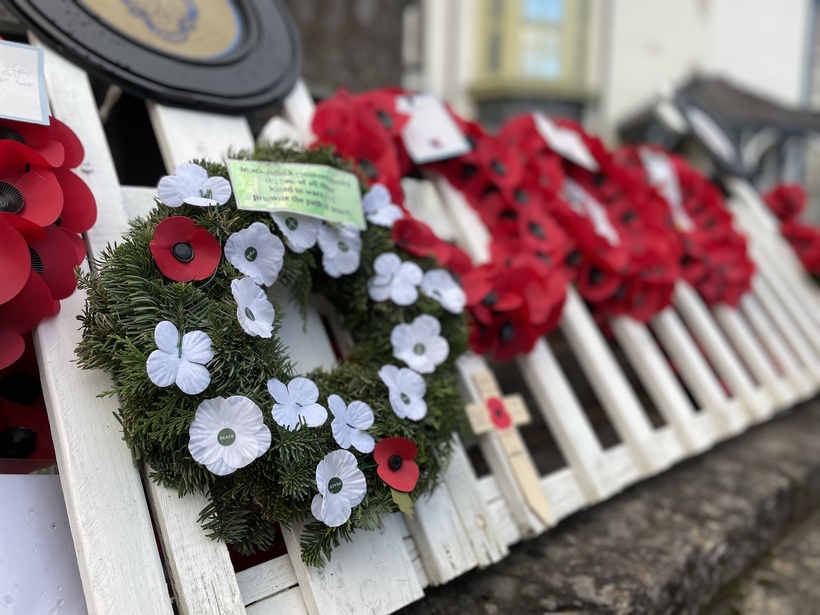
- This Remembrance Day, you could wear one of the white poppies produced by our friends at the Peace Pledge Union as a sign both of remembrance of all those killed in war and a demonstration of your commitment to peace.
And of course we can all carry on doing what Quakers have been doing since the time of George Fox: working together to create a culture of hope, resilience and love.
Explore resources for addressing violence and conflict locally and nationally