
Quaker research helps trigger seizure of UK arms bound for Israel
A Quaker researcher has helped expose an illegal arms shipment from the UK to Israel, which has been seized by Belgian authorities and is now the subject of a criminal investigation.
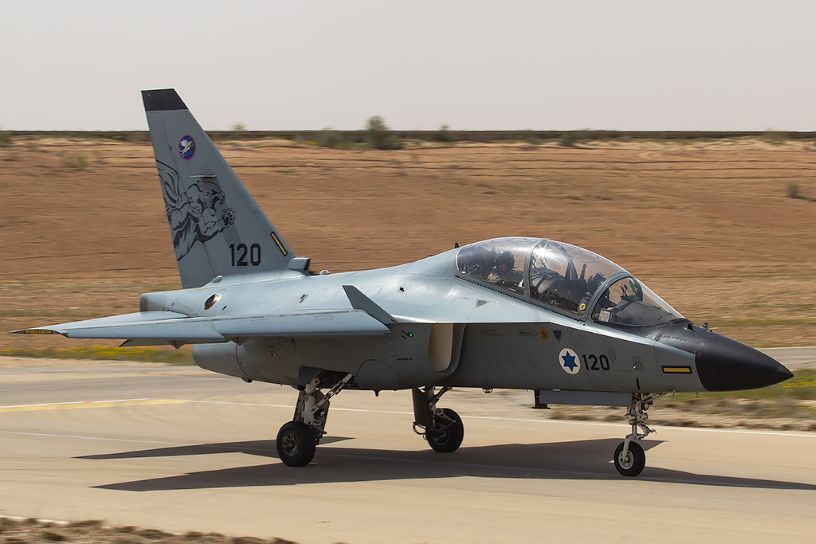
The cargo containing fire control systems and spare parts for military aircraft was intercepted at Liège Airport on 24 March 2026 following a tip-off from Declassified UK and other organisations.
It had been routed through Belgium without the transit licence required under Belgian law. Belgian authorities confirmed that if it had been applied for, the licence would have been refused.
The seizure came after the Belgians were alerted by investigators and peace activists who collated millions of shipping documents, freedom of information requests from government departments and other evidence.
These included a Wimbledon Quaker, who asked to remain anonymous, who worked in risk management for 30 years and spent months tracking military supply chains and arms export controls.
The arms firms who supplied the shipment has not been named. But a spokesperson for the Walloon government in southern Belgium said the initial complaint focussed on Moog, a US aerospace firm with a factory in Wolverhampton.
Publicly available export licensing data shows that Moog was issued with a new five-year Open Individual Export Licence covering military equipment exports to Israel in November 2025.
This was at the same time as some of the historical shipments now under investigation by the Belgian authorities.
Moog designed the flight control system for the M-346 Lavi, a high-performance jet used to train Israeli pilots to fly advanced fighter jets.
Quakers in Britain continues to call for a full arms embargo on Israel.
Growing coalition of MPs, NGOs and academics
The case has galvanised a growing coalition of MPs, NGOs and academics concerned about UK arms export controls and multinational military supply chains.
Politicians from both Labour and the Conservatives have recently written to government ministers demanding answers on the issue.
Their letters ask whether UK arms exporters are properly complying with the laws of countries through which their goods are routed.
A separate letter, signed by NGOs and academic experts, has been sent to Parliament.
It warns that once military goods enter complex international supply chains, meaningful oversight becomes difficult to maintain.
Responsibility, the letter argues, can end up fragmented between exporters, freight companies, airlines and transit countries, leaving no single party clearly accountable.
Deep moral questions
The Quaker researcher said: “The arms trade raises deep moral questions, and those who operate within it carry a heavy responsibility.
“We are seriously troubled by the apparent lack of transparency and clarity of oversight in this case.
“If governments and companies state that they are committed to human rights and responsible conduct, those commitments must be reflected not only in export licensing decisions, but also in the governance, accountability and professional standards applied throughout defence supply chains.
“Export licences and controls must be complied with fully, and arms suppliers must meet the highest standards of integrity, responsibility and compliance with the laws and regulations of all states through whose jurisdiction controlled military goods are transported."