
Polluters could pay billions less, Quakers warn
Scrapping or watering down the current windfall tax regime now would be a gift to the fossil fuel industry, groups including Quakers have warned.
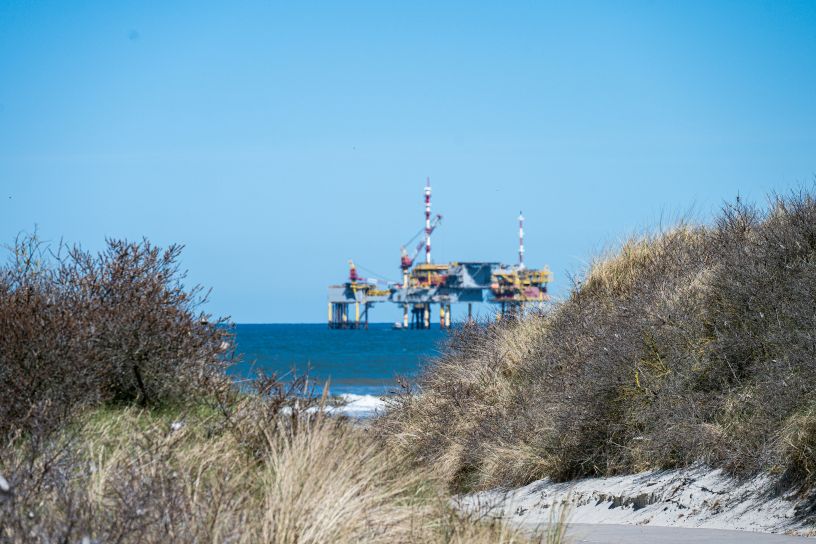
The government is under pressure to bring forward the new Oil and Gas Revenue Levy (OGRL) from 2030.
The move would cost the Treasury billions in lost revenue if went ahead, civil society organisations caution.
New analysis by Global Witness found that at $70 a barrel, the new levy would collect nothing. The current windfall tax would raise £4.6bn by 2030 at that price.
Higher oil prices would exacerbate the loss further: at $100 a barrel, the OGRL would raise £8.6bn less.
Rule out bringing the OGRL forward
In a letter to Chancellor John Healey, 25 civil society organisations including Greenpeace UK and Tax Justice UK asked him to rule out bringing the OGRL forward.
Signatories wrote: “The windfall tax was introduced in response to strong public calls to capture unearned windfall profits of the oil and gas sector, which have benefited exponentially from global instability.
“Eight in ten voters fear rising bills, and the majority say that ending the Windfall Tax now would be the wrong thing to do."
Paul Parker, recording clerk, who signed the letter for Quakers in Britain, said: "This was the hottest summer on record in the UK, with thousands of excess deaths, while oil companies made billions.
“As Quakers, we are called to care for the earth and for each other, so we cannot accept a tax plan that lets polluters pay less."
The letter says that heatwaves were made 130 times more likely by fossil fuel-driven climate change.
Meanwhile, the world's five leading oil companies made profits equivalent to $535m a day in the second quarter of 2026.
The signatories want the OGRL reformed so it raises at least as much as the current levy in every price scenario.
The signatories say the way to support North Sea energy workers is to invest in helping them transition to jobs in renewables and other industries that have a long-term future, such as offshore wind manufacturing and decommissioning.
They have asked to meet Treasury officials before any decision is made.